
What Are The Burial Options In The UK?
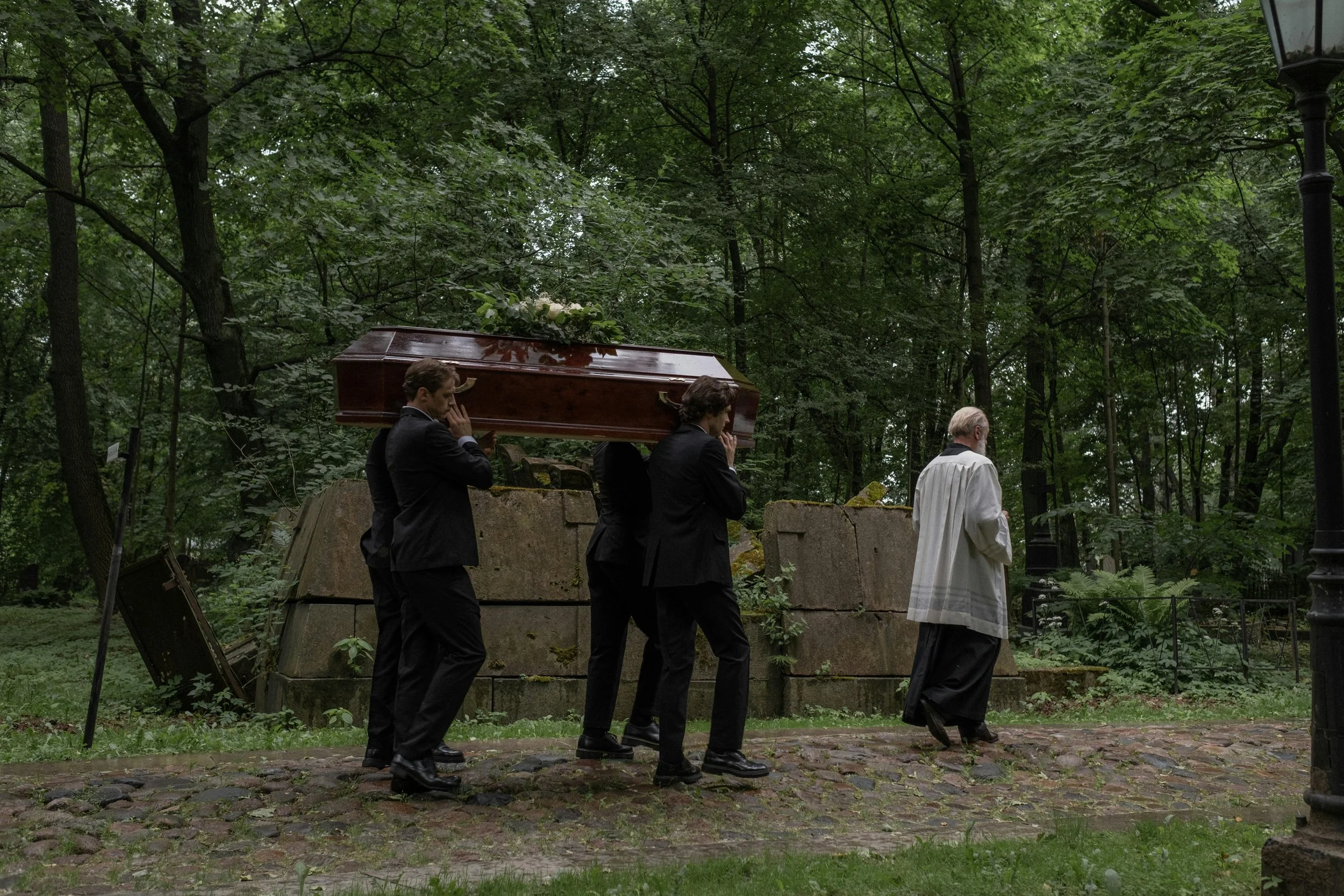
Where are the burial site options in the UK
Choosing where to bury someone is one of the most lasting decisions you will make, because unlike many of the arrangements surrounding a funeral, a burial place is permanent. It becomes somewhere to return to, and a fixed point that can hold meaning for years and generations to come.
The good news is there are more options available in the UK than many families realise. From the great Victorian cemeteries of London to quiet woodland sites in the countryside, from historic churchyards to purpose-built grounds serving specific faith communities, the range of choices is abundant. This guide walks through each of the main options to help you understand what’s involved and what might feel right for the person you have lost.
Selecting a burial site
It’s natural for people to hold different views about where a burial should take place, especially when the person who has died left no clear wishes.
The most helpful thing in this situation is to gently separate the practical from the emotional. What are the real constraints? What would the person themselves have valued? Is there a choice that honours one set of preferences while still leaving room for others?
A good funeral director can be a real support here, not to make the decision, but to lay out the options clearly and give everyone the space to feel heard. In most cases, when families talk openly and are given good information, a way forward emerges that everyone can feel good about. The goal is not unanimity of feeling, but a decision made together, with care, that everyone can stand behind.
There is no universally right place. There is only the place that feels most true to the person you have lost. Take your time, ask questions, and trust that you will find it.
Municipal and local authority cemeteries
The most straightforward option for many families is a municipal cemetery, managed by the local council. These are found in every part of the UK and accept burials regardless of faith or background. They are nonsectarian by design, which makes them an inclusive and accessible choice.
To secure a plot, your funeral director will contact the relevant local authority, or in many cases the cemetery office directly. Depending on the cemetery, you may not be offered a choice of plot locations as many are almost full so have restricted options, but you will of course always have the final decision. Once you’ve chosen a plot, you will purchase what is known as an exclusive right of burial, which gives you the right to use that grave for a set period, typically 25 to 100 years depending on the cemetery. It is worth asking about the length of lease and what happens when it expires.
London's municipal cemeteries include some of the most historically significant burial grounds in the country. Highgate Cemetery in north London, with its extraordinary Victorian architecture and famous residents including Karl Marx and George Eliot, remains a working cemetery with a limited number of new burials available. Brompton Cemetery in west London is a Grade I listed site managed by the Royal Parks and is similarly still accepting burials. For families across the rest of the UK, large civic cemeteries such as Undercliffe in Bradford, and the Southern Cemetery in Manchester, one of the largest in Europe, offer municipal burial on a significant scale.
Costs vary considerably by location, with London boroughs typically charging more than other parts of the country. Your funeral director will be able to guide you through the process and liaise with the cemetery on your behalf.
Churchyard burials
Being buried in a churchyard is one of the oldest funeral traditions in Britain, and it remains possible in many parts of the country, though availability has become increasingly limited, particularly in urban areas.
In the Church of England, parishioners have a legal right to be buried in the churchyard of their local parish, provided space is available. This right extends to those on the electoral roll of the parish, and in some cases to people who were baptised there or who have a family connection to the church. Eligibility for those outside the Church of England varies, and it is worth speaking directly to the vicar or church administrator.
In rural areas, churchyard burial is still relatively accessible. In cities and larger towns, many churchyards closed to new burials in the nineteenth century and can only be used for burials in existing family graves. If a churchyard burial feels important, the earlier you begin the conversation, the better.
Catholic, Methodist, and other denominational churches sometimes have their own burial grounds, and the same principle applies: contact the relevant church or diocese directly to understand what is available.
Woodland and natural burial grounds
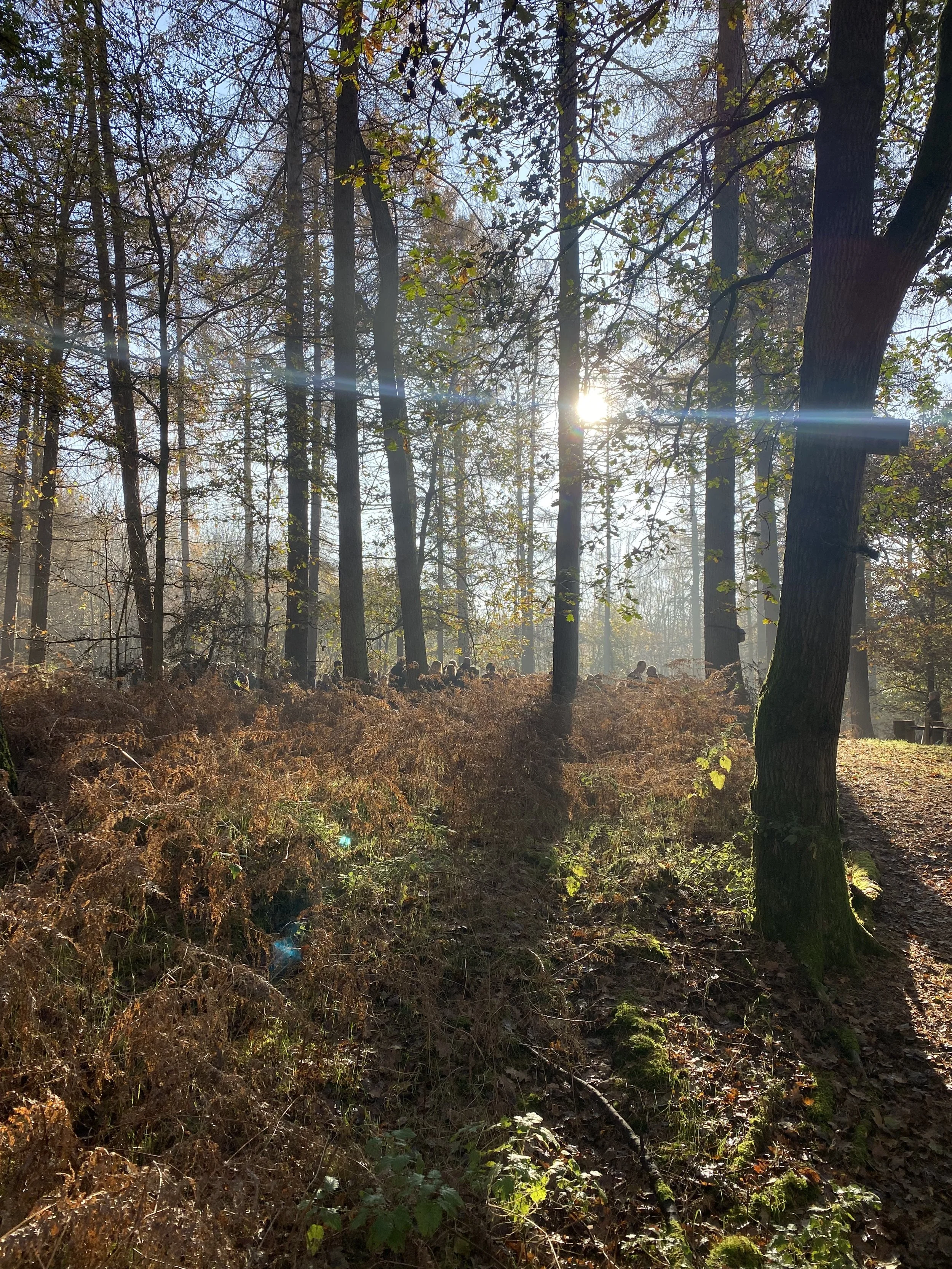
GreenAcres Woodland Burial Park
One of the most significant shifts in British funeral culture over the past two decades has been the rise of woodland and natural burial. There are now more than 270 natural burial grounds across the UK, and the number continues to grow.
The principle behind natural burial is straightforward. The body, in a biodegradable coffin or shroud, is buried in a natural setting with minimal intervention. No headstones, no concrete grave liners, no embalming. Instead, the grave is typically marked with a native tree, a wildflower planting, or a simple wooden marker, and the site is managed to encourage wildlife and natural growth.
For many families, the appeal is both environmental and emotional. These are genuinely beautiful places. Sheepdrove Natural Burial Wood, GreenAcres Living Memorial Park, Crossways Woodland Burial, Brookwood Cemetery Burials, and many more are among the sites that have earned strong reputations for the care and thoughtfulness with which they are managed. In Scotland, sites such as Greenhaven Woodland Burial near Edinburgh offer similar provision.
Visiting a natural burial ground before making a decision is always worthwhile. The atmosphere of these places is quite different from a conventional cemetery, and most families find that spending time there makes the decision feel much clearer.
Eco-friendly and green burial options
Natural burial grounds sit within a broader category of eco-friendly choices that families are increasingly exploring. These include biodegradable coffins made from willow, bamboo, cardboard, or seagrass, all of which are widely available and entirely appropriate for conventional cemetery burials as well as natural ones. A shroud burial, in which the body is wrapped in a simple natural cloth, is also an option at many natural burial sites.
More recently, new approaches have begun to emerge. Human composting, sometimes called natural organic reduction, is legal in several American states and is beginning to be discussed in the UK, though it is not yet available here. Aquamation, or alkaline hydrolysis, is similarly available in parts of the United States and Europe and may become more widely accessible in the UK in coming years.
For families who feel strongly about the environmental dimension of burial, speaking to a funeral director who specialises in green funerals is the best starting point. The Natural Death Centre, a UK charity, also provides independent guidance and maintains a directory of natural burial grounds nationwide.
Burial on private land
It is legal to be buried on private land in England and Wales, including a garden or a family-owned field, provided certain conditions are met. This is sometimes called a home burial, and while it is relatively uncommon, it is a genuine option for families who feel strongly about it.
The requirements include notifying the local environmental health authority, ensuring the burial takes place a sufficient distance from any watercourse or water supply, and registering the burial with the local authority. There are no planning permissions required for a single burial, though multiple burials on the same land may require permission, and any burial on private land will affect the future sale of the property, which is a practical consideration worth thinking through carefully.
In Scotland, the legal framework is slightly different, and it is advisable to seek specific guidance from the local council or a solicitor before proceeding.
Private land burial suits a relatively small number of families, but for those to whom it appeals, the sense of keeping a loved one close to home and to land that holds meaning can be profound.
Faith-specific burial grounds

Hindu Om
For many families, the choice of burial ground is inseparable from faith, and the UK has a well-established network of grounds serving specific communities.
Jewish law requires burial to take place as soon as possible after death, and Jewish cemeteries are maintained by Jewish communities across the country. In London, the United Synagogue operates several sites, and there are independent grounds serving both different Jewish communities. The burial society, or chevra kadisha, will guide families through the process in accordance with halachic requirements.
Muslim law similarly requires swift burial and specific preparation of the body. Most local authorities make provision for Muslim burials within their cemeteries, with designated sections that face towards Mecca. Dedicated Muslim cemeteries also exist in several cities, including the Eternal Gardens sites in the Midlands and the Gardens of Peace in London.
Sikh and Hindu communities in the UK typically practise cremation rather than burial, though exceptions exist, and gurdwaras and temples can offer guidance on local arrangements. For families from any faith background, your funeral director and your own religious community will be the best sources of informed, practical support.